Experience / Case study
Two decades inside Somalia's port framework.
CAPABILITY
Projects & Transport
SPAN
Two decades, three federal administrations
PARTIES ADVISED
The federal government, port institutions, Maersk
STATUS
Engagements concluded
THE SITUATION
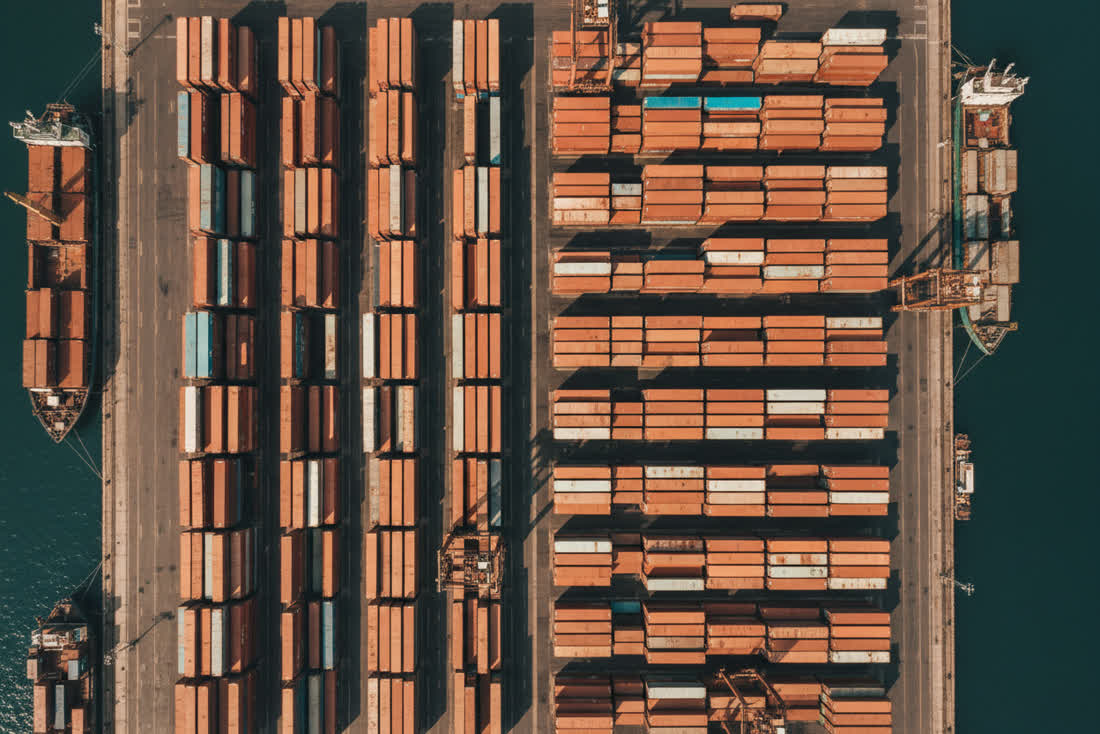
Nearly everything Somalia imports crosses a quay. Whoever writes the rules for the ports writes the terms of trade for the whole economy.
When the federal government began rebuilding its institutions, the port of Mogadishu was already in private hands — an international terminal operator running the country's main gateway under a concession signed by a state still under reconstruction. Get that framework wrong and the consequences are concrete: revenue that never reaches the treasury, liability rules no shipping line will accept, and a gateway the country cannot renegotiate.
WHAT WE DID
First, the concession itself.
Before co-founding Insaaf, Abdirizak Mustaf Ahmed reviewed the Mogadishu terminal operator's concession for the federal government — clause by clause, against what a sovereign should have secured. That review became the government's map of what the arrangement actually said, as opposed to what it was assumed to say.
Then, the framework around it.
Mohamed Abdulkadir Ali led the port-sector modernisation work for the Ministry of Ports and the Mogadishu Port Authority — the institutional and regulatory architecture a functioning port system runs on: the authority's mandate, the split between regulator and operator, and the sequence for bringing order to a sector that had grown up without one.
Then, the second port.
When attention turned south, the same discipline went to Kismayo — assessing how the framework built for the capital's gateway should apply to the country's next one, before commitments were made rather than after.
Finally, the other side of the quay.
Insaaf was engaged by Maersk facing disputes in Somalia — in arbitration and before the local courts. The partners who had helped shape the framework now represented a commercial operator living under it: cargo liability, port procedure, and the practical question of how a foreign line enforces its rights in a Somali forum.
THE OUTCOME
A body of port-sector knowledge that exists nowhere else in private practice: the concession read for the sovereign, the framework designed for the regulator, and the disputes run for the shipping line — the same field, seen from every seat at the table. Every engagement concluded; the knowledge stays.
The team — Mohamed Abdulkadir Ali · Abdirizak Mustaf Ahmed
We helped shape the port framework — then advised the businesses operating under it.
Government adviser, framework architect, commercial counsel — three vantage points, one continuous thread, held by the same partners throughout.
WHY THIS MATTERS TO YOU
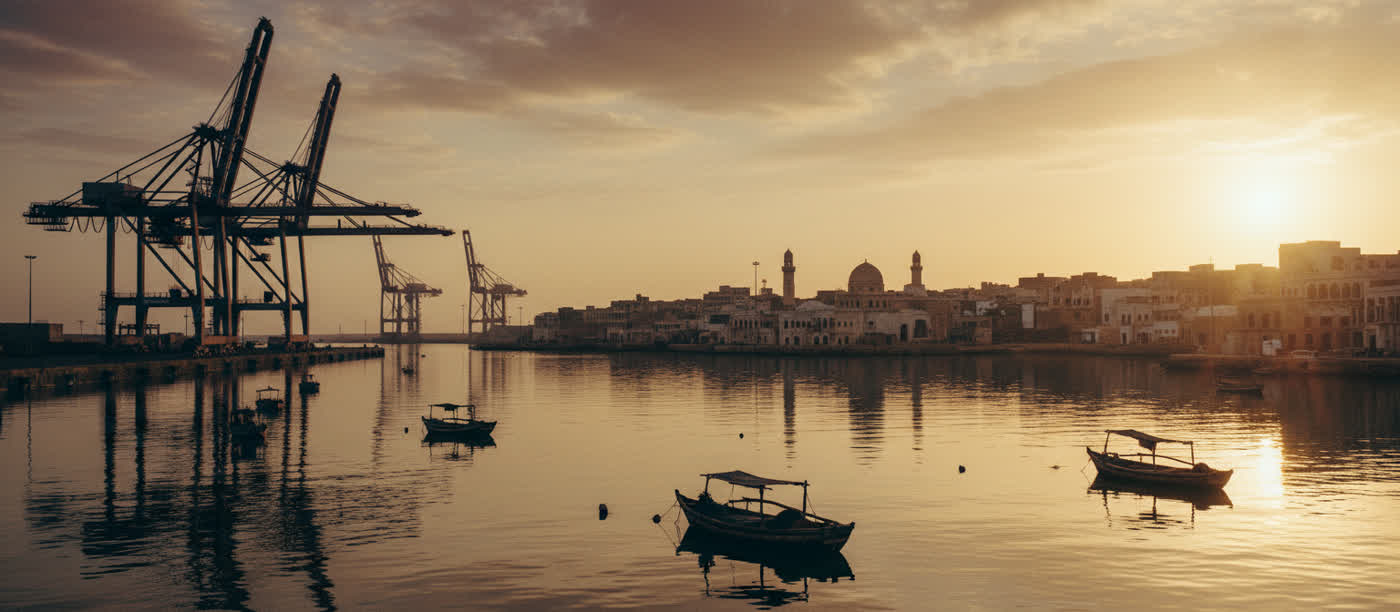
If you are a shipping line, a terminal operator, a logistics investor or the counsel behind one, your Somali port questions land on people who have read the concession, drafted the framework and argued the disputes. There is no learning curve billed to you.
Discuss a ports or transport matter
CONTINUE
Projects & Transport — the practice→
Case study — Counsel to Turkish Airlines in Somalia→
Blog — What project sponsors need from local counsel→